There’s a version of this story that sounds inspiring.
Woman leaves structure behind. Builds a homestead. Writes novels. Hosts a podcast. Lives intentionally. Finds balance.
That version is clean.
It isn’t accurate.
This life wasn’t born from aesthetic preference. It was built out of necessity — financial, psychological, survival-level necessity.
After everything that happened — the fracture, the collapse, the institutional betrayal, the isolation — I didn’t set out to become a homesteader, an author, or a mental health podcaster.
I set out to survive without a reason.
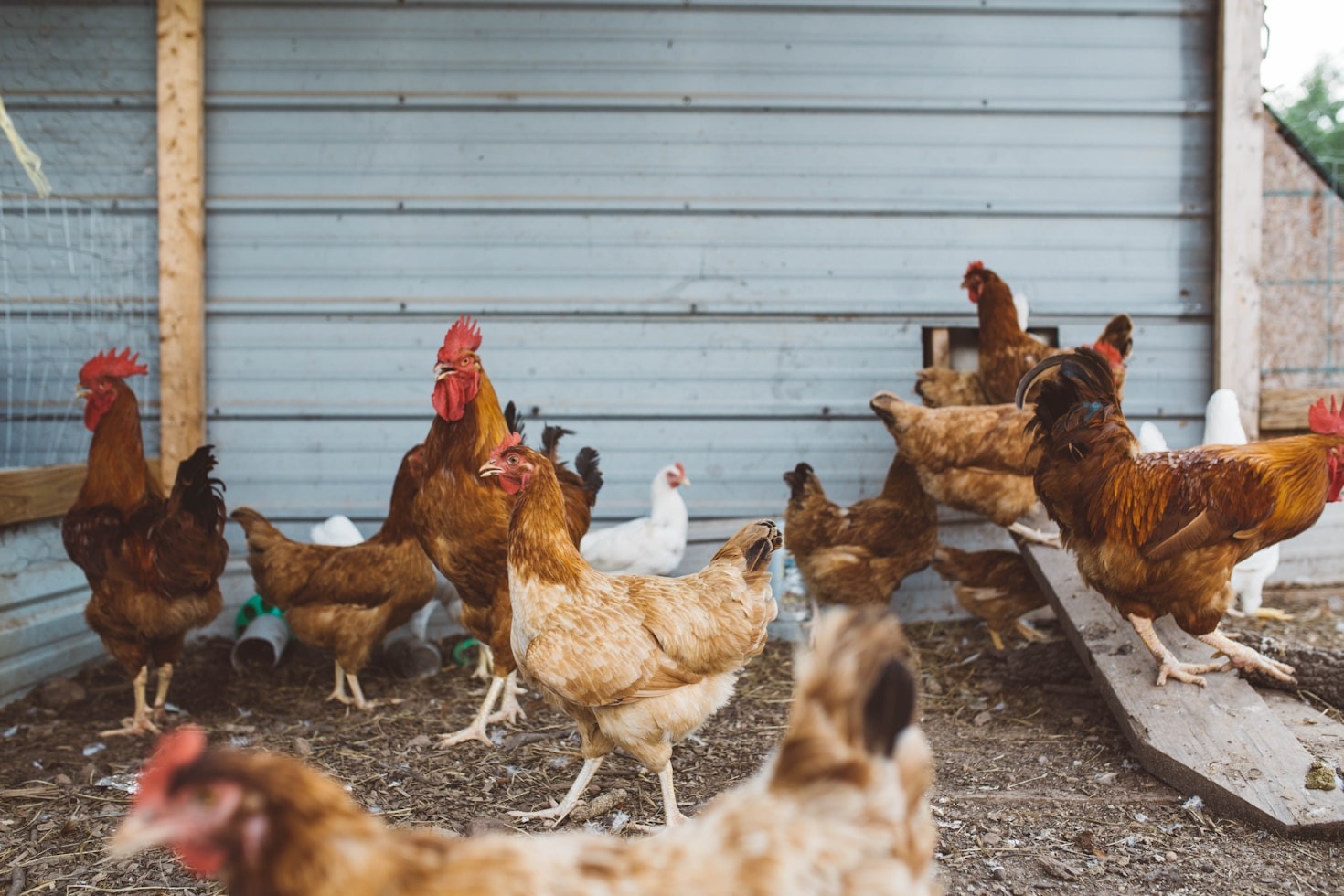
Survival meant figuring out how to afford to live without depending on systems that had already proven unstable. It meant reducing expenses. Learning to produce instead of purchase. Raising animals because eggs and meat are tangible security. It meant building infrastructure slowly, imperfectly, because control over even small pieces of your life matters when larger structures have failed.
Homesteading wasn’t a hobby.

It was survival. It was stubborness. It was the inability to quit no matter how much I wanted to.
Animals count on you in a way people sometimes don’t. They don’t disappear. They don’t gaslight. They don’t rewrite history. They need water, feed, shelter. You show up, or they suffer. That kind of responsibility anchored me when my own sense of stability was fractured.
When something depends on you, you move.
Even when you’re exhausted.
Even when your head is loud.
Even when you don’t fully understand why you’re still trying.
Fiction came next — or maybe it was always there.
I didn’t start writing fantasy because I wanted to escape reality. I wrote because reality didn’t make sense. Because power structures felt distorted. Because memory, control, loyalty, and autonomy were questions I couldn’t untangle in ordinary language.
Fantasy gave me scale. And while reading helped me escape, writing helped me process.
In a constructed world, you can examine control without being silenced. You can explore betrayal without naming names. You can dissect power systems and ask what happens when someone refuses to comply. You can fracture a character’s identity and let them rebuild it in ways that feel impossible in real life.
Writing became a way to process what I couldn’t say directly.
It was therapy without an office.
It was analysis disguised as world-building.
It was rebuilding identity through characters who were forced to confront their own fractures.
And then there’s the podcast.
Homestead to Headspace wasn’t created because I had everything figured out. It was created because I didn’t. Because I needed a place to talk through the architecture of trauma, resilience, hypervigilance, and rebuilding without pretending I had clean answers.
Talking is different than writing. Writing can be controlled, revised, reshaped. Speaking requires presence. It requires honesty in real time. The podcast became a bridge between internal processing and external connection. It helped me make sense of my own patterns while, hopefully, helping others recognize theirs.
None of this is balanced in a neat way.
There are days when farming feels heavy. When the wind hits wrong and something breaks and you wonder why you chose a life where everything depends on you. There are nights when the stories won’t quiet. When the fictional worlds feel more structured than the real one. There are moments during recording when I hear myself say something true and realize I’m still unpacking it.
This lifestyle wasn’t born from abundance.
It was built in response to scarcity.
Financial scarcity. Emotional scarcity. Institutional failure. Trust fractures. The kind of experiences that force you to either collapse or construct something new.
So I constructed.
I built a homestead because reducing dependence meant reducing vulnerability.
I built fictional worlds because I needed to understand power.
I built a podcast because silence was suffocating.
And I keep building.
Sometimes I don’t know why.
Part of it is discipline. Part of it is survival wiring. When you’ve lived in instability, forward motion feels safer than stillness. Building feels like insurance against collapse.
But part of it is something else.
Maybe it’s proof.
Proof that I can create instead of just endure.
Proof that something stable can grow out of fractured ground.
Proof that responsibility can be chosen, not imposed.
Balancing farming, fiction, and mental health isn’t about juggling passions.
It’s about managing weight.
Each one holds a different piece of me.
The farm keeps me accountable to the present.
The fiction allows me to confront the past and imagine different outcomes.
The mental health conversations help me make sense of both.
It’s not easy.
It’s not romantic.
It’s not balanced in the way social media likes to present balance.
It’s deliberate.
And sometimes it’s exhausting.
But it’s mine.
This life wasn’t handed to me in ideal conditions. It was carved out of instability, built slowly, reinforced when it cracked. It exists because I needed something that counted on me — and something I could count on in return.
Maybe that’s why I keep building.
Not because I have everything figured out.
But because building is the one thing that has never failed me.
Leave a Reply